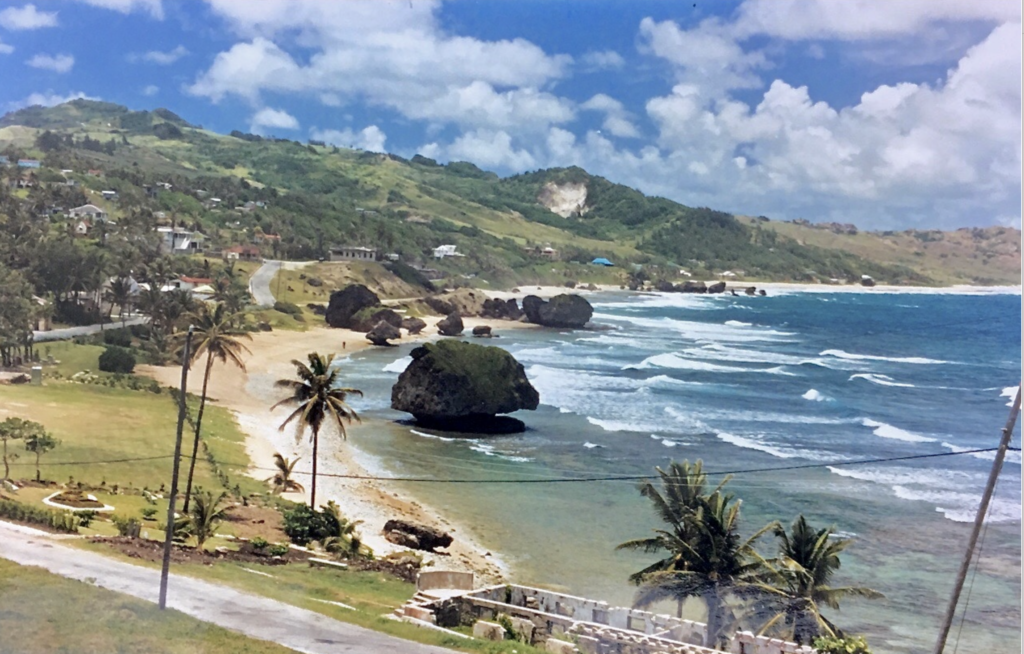

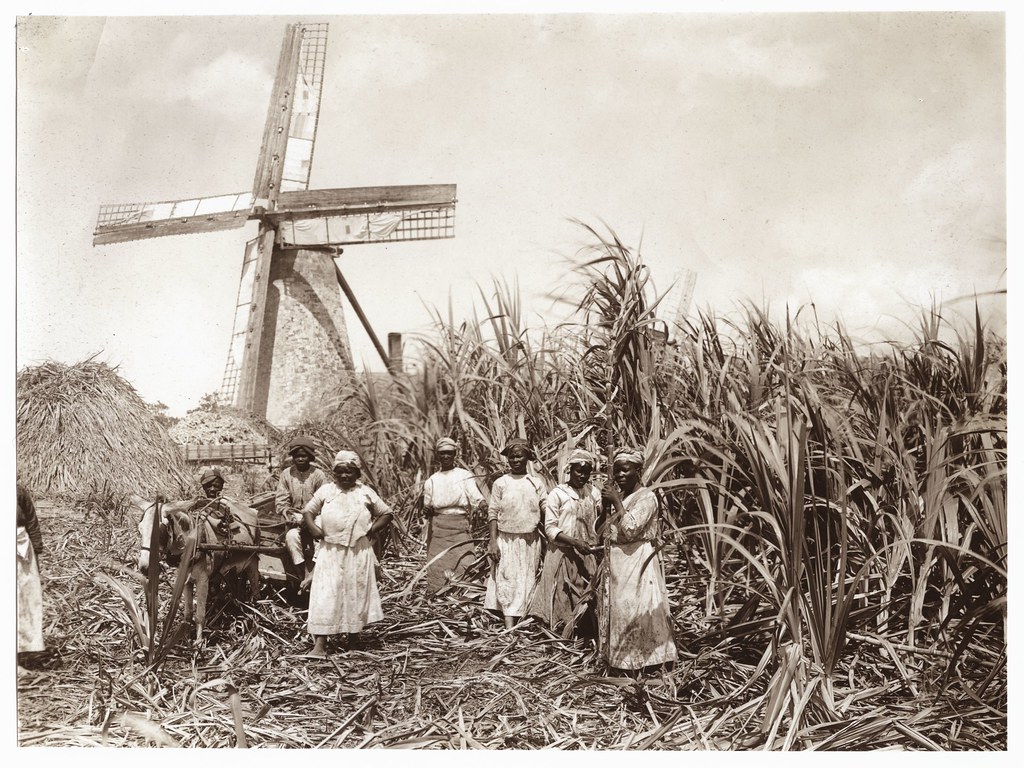
Ninth great grandfather John Hazell (or Hasell) left Thatcham in Berkshire to start a new life on the Caribbean island of Barbados,as part of the initial wave of English colonization during the “Sugar Boom” of the mid-17th century. He owned a sugar plantation in Barbados – he was ‘sugar gentry’.
By the late 1640s, Barbados became the wealthiest colony in the New World due to the introduction of sugarcane. Many established men in England—who already had families and capital—realised they could make vastly more money in the Caribbean than by farming or trading in war-torn England. While we don’t have a date for when John made the move, we can hazard a guess. Berkshire – his birthplace in 1597 – was completely devastated by the English Civil War. Thatcham, John’s home, and Newbury were at the absolute epicentre of the conflict, hosting the First and Second Battles of Newbury. It’s possible, if John was a Royalist, his lands may have been sequestered (seized) by the winning Parliamentarian government under Oliver Cromwell. Thousands of displaced, ruined, or politically targeted Royalist families from the south of England fled to Barbados during the 1650s because the island was known as a “Cavalier” stronghold that openly defied Cromwell’s Commonwealth.

John Camden Hotten created a document in the late seventeeth century listing the well-to-do and John appears to be one of them. He’s listed with a wife, 3 children, 2 servants and 20 slaves. He was living in St. Michael’s Parish, which was the most important parish on the island. It surrounded Bridgetown, the bustling port capital. Living here means he was likely operating as a merchant-planter, positioned perfectly to trade sugarcane directly with arriving English and New England ships. It looks like his children were Johan, Susannah and Maria. John, born in. 1630, stayed in England (and is my 8th great grandfather).
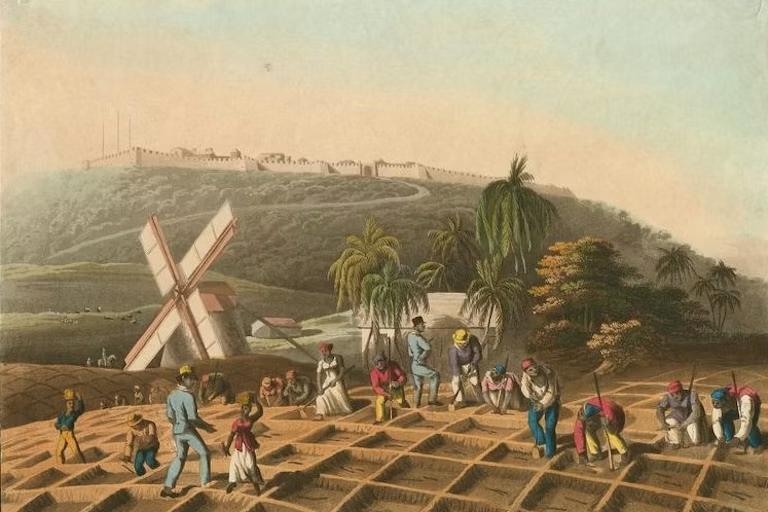
Owning 20 slaves and 2 servants in 1679/1680 placed John Hazell squarely in the wealthy planter class (often referred to by historians as the “Sugar Gentry”). To put this in perspective, the vast majority of settlers in St. Michael’s Parish at this time owned no land or slaves at all, working as poor labourers or artisans. A plantation with 20 enslaved labourers indicates he owned a substantial estate—likely between 30 to 60 acres of highly valuable sugar land. John Hazell’s life in St. Michael’s Parish during the late 1670s and early 1680s would have been a fascinating mix of extravagant material wealth, intense physical danger, and a highly strict social hierarchy.
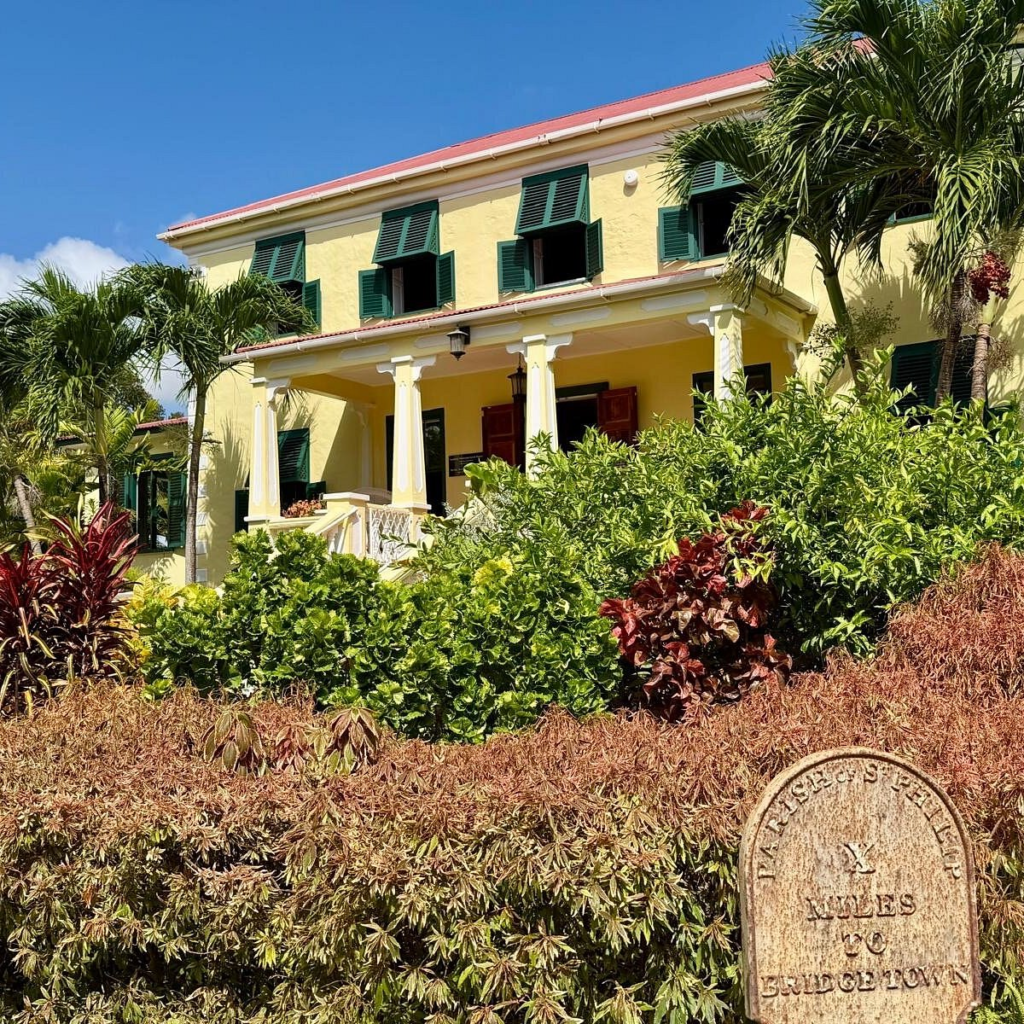
Wealthy Barbadian planters built substantial, multi-storey stone or timber plantation houses designed to mimic English manor houses, but adapted for the tropics with wide verandas and high ceilings. Living in St. Michael’s Parish meant John was right on the doorstep of Bridgetown, the political and economic heart of the Caribbean. But while John enjoyed immense wealth, his daily life was underscored by constant tension and fear. By 1680, enslaved Africans vastly outnumbered white settlers in Barbados. Just a few years before John’s death, a massive, island-wide slave conspiracy was uncovered and brutally suppressed in 1675.
The biggest threat to John and his family wasn’t war or rebellion—it was disease. The Caribbean was a deadly environment for Europeans – Yellow fever, malaria, and dysentery tore through Bridgetown regularly. Many Europeans died within their first few years on the island (a process locals called “seasoning”). The fact that John lived until 1681, reaching his early 80s, means he possessed an incredibly resilient constitution for the era.