

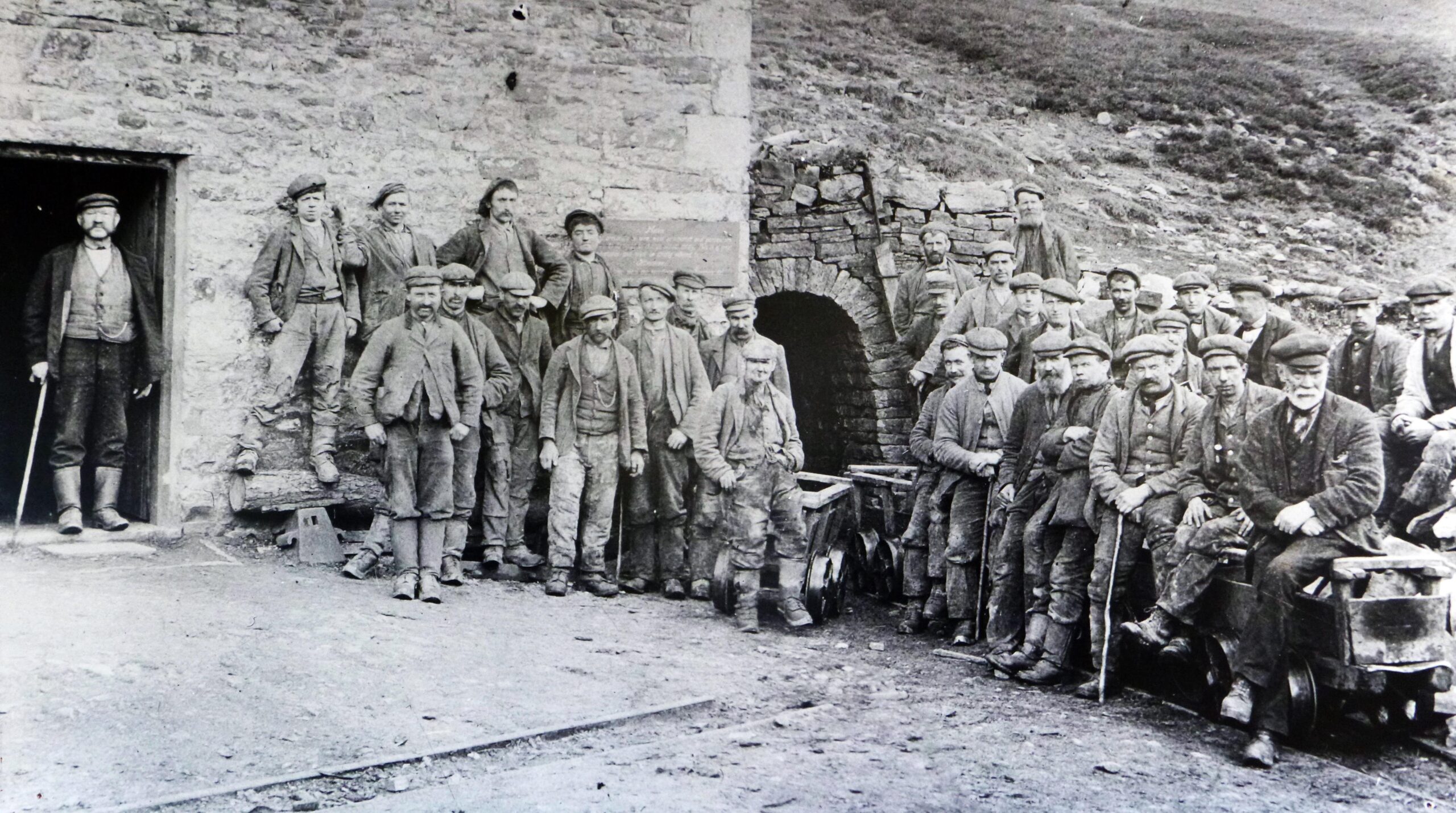
Fifth great grandfather Richard Trathen had worked in the copper mines of Cornwall in Gwennap, the richest copper mining district in Cornwall and once called the “richest square mile in the Old World”. But in the early 1790s Richard and some of his sons headed north, initially to a mine in Anglesey, eventually ending up in the lead mines of Nenthead, Cumberland.
The information in this article comes from an Ancestry.com entry by Margaret Russell and Julie Pearson.
Richard apparently arrived in the Nenthead area a poor man, took employment as a washer of ore at the Nenthead Lead Mine. The mineral rights on Alston moor were owned by the Greenwich Hospital, which was run by a Quaker group. The Greenwich Hospital leased these mineral rights to the London Lead Company and, from accounts written by Thomas Sopwith and John Taylor (mining engineers) and a local writer, Westgarth Foster, it appears that Richard became something of a celebrity.
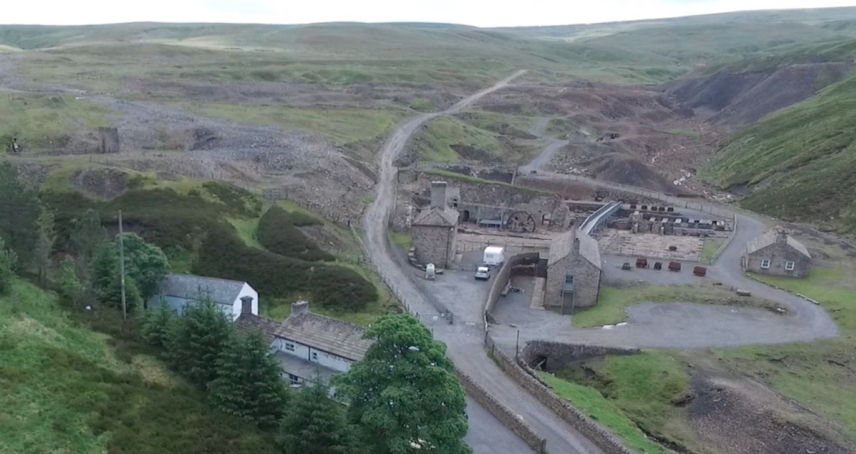
He soon suggested an improvement in the method used to wash the lead ores such that a quantity of metal could be extracted from the slimes that were being discarded. Slime Pits and a Stamp Mill were erected by Richard at Nenthead at the expense of the London Lead Company in 1796.
The Stamp Mill and the Slime Pits process had been used since the 15th Century in Cornish Tin Mines. It allowed waste to be crushed and fine grained material collected.
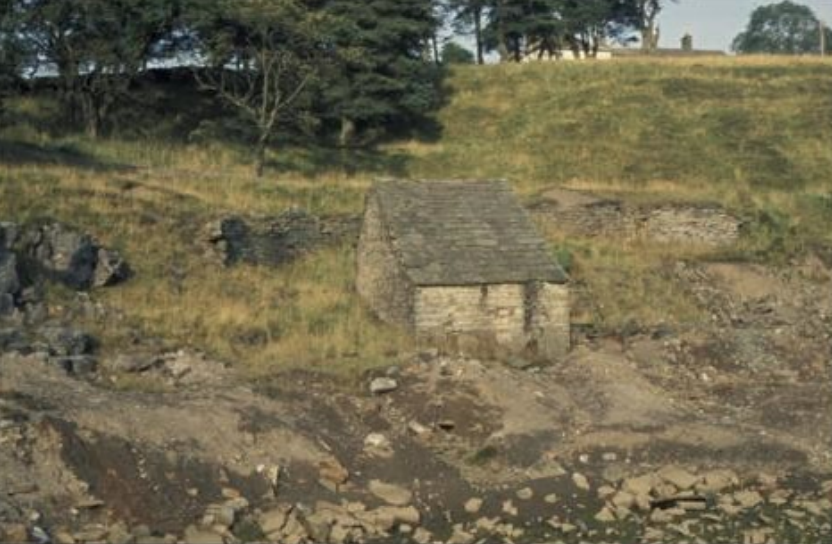
Excavations in 1987-88 uncovered the surviving stamps frame, watercourses and other structures. During the intervening period the stamps building had suffered from fire damage, losing both its roof and some of the supporting stonework.
The structures and process installed by Richard made the London Lead Company more money. Richard had agreed to be paid by results so he benefited substantially too. This did not sit well with the financial department at the London Lead Company and they suggested to Richard that his wages should be reduced. He of course refused – being a Wesleyan Methodist Lay Preacher meant he would have been comfortable standing hisground against the mine owners’ agents, including its Chief Agent, Thomas Dodd. Some of Richard’s chapel sermons of the time would have made interesting listening, particularly if Thomas Dodd or other mine officials were in the congregation. As a result of his refusal to accept lower wages, Richard was dismissed.
The exact method of using the process was known only to Richard and his family so a whole summer passed without this new invention being used, resulting in a financial loss to the Company. Richard was reinstated and continued in the employ of the Company until age and infirmity prevented him from doing so any longer.
His sons continued to follow the same business for the London Lead Mining Company and supported him until his death. A report prepared from a visit to the Alston Moor area by representatives of the Greenwich Hospital in 1805 included
the statement that:
“The Slime Pit” by Margaret Russell
“a person was pointed out to us by the name of (Trathen), a washer in the leadmines. This ingenious poor man was formerly employed in the copper mines in Wales and Cornwall, and some years ago he wandered to Alston Moor; he had not been there long when he suggested an improvement in the operation of washing lead ores, which was adopted, and has been continued ever since by which means a quantity of metal is obtained from the slime that was before thrown aside and wasted. This improvement had been attended with considerable advantage and profit to the Hospital, and will continue as long as the mines last; and as the poor man is advanced in years, and his labour cannot continue much longer, he is represented as an object deserving some attention from the Hospital and in that light he undoubtedly appears to us”
Richard died in Nenthead on 28 August 1806.