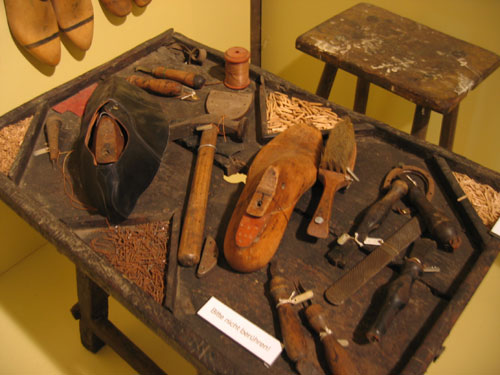

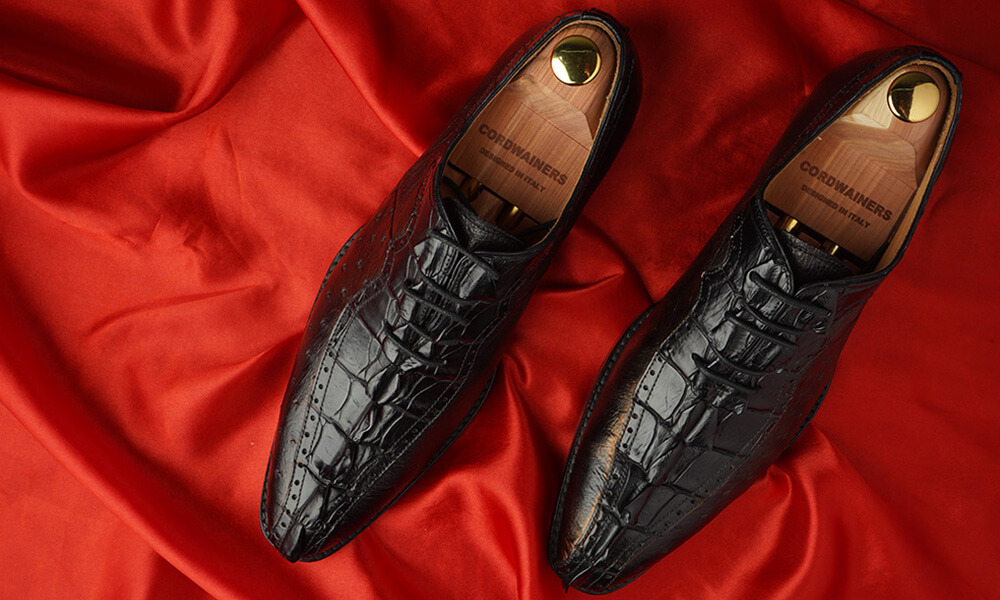
What is a Cordwainer, you may ask. I had to Google it, too. At its most basic, a Cordwainer is a shoemaker, but much more than that. A Cordwainer is a shoemaker who makes new shoes from fine leather – as distinct from a cobbler; British tradition distinguishes the terms cordwainer and cobbler, restricting cobblers to repairing shoes. And Great-great-great grandfather Pierre Joseph Lemaire was, indeed, a Cordwainer.
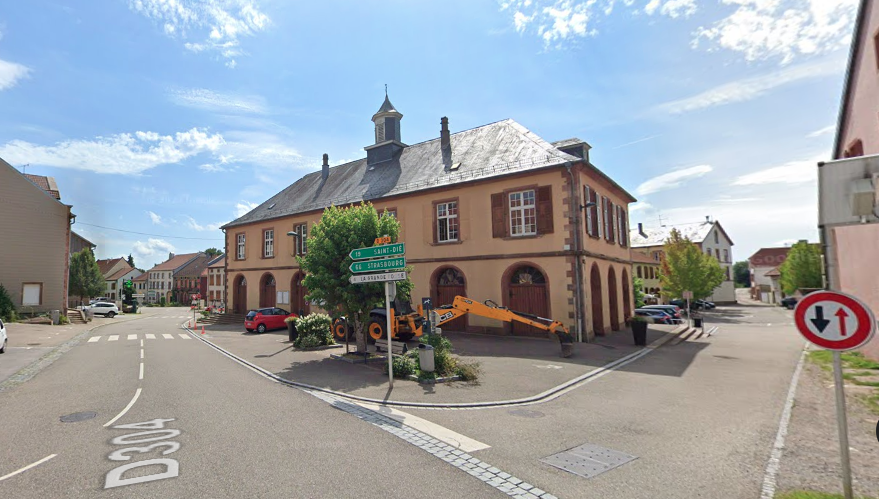
We know very little about Pierre – we know where he lived in 1801, because his son Joseph was born in Saales in north eastern France in that year. And according to Joseph’s wedding certificate, Pierre’s occupation was listed as a cordwainer.
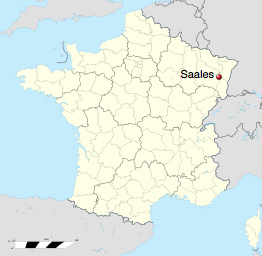
Saales is tiny – a population of less than a thousand, living in the middle of a plateau in the Bas-Rhin region, a vast and eclectic department on the border with Germany. It is known for its hilly forests that conceal an array of fairytale-like castles. The biggest city is Strasbourg, 70 kilometres away. According to the French tourist board, today it ‘has retained a verdant character, covered mainly by forests (75% of its area) and meadows (18%). And since Antiquity, its basements and faults have been exploited for its richness in limonite (iron oxide)’. The last mines closed their doors in 1809.
It’s fitting that our family’s only cordwainer – or the only one I’ve found – is from France because etymologically speaking, the word Cordwainer is derived from the Old French word cordoanier, and originally referred to someone who worked with cordwain or cordovan, an equine leather that was historically produced in Medieval Córdoba, also known as Cordova in English. Traditionally, because cordovan leather was difficult and expensive to produce, it was only used for the highest quality shoes but Cordwainers used other leathers to make all types of footwear.
In 2013, Peter Dodge, a modern day cordwainer, wrote:
“Usually the “cottage industry” shoe makers of the early 1800’s, cut the leather pieces, then sent them out to be hand stitched in small cottages by women workers.
When the uppers were stitched, they then took them back to the Cordwainer’s qualified boot and shoe maker, who in turn completed the product using the welted hand sewn process.
The apprentices did the menial work while learning the trade. The major skill being the sewing on the leather outsole to the welt. This being done with waxed thread, “blended” to a long mature pigs bristle, the holes being made in the leather with an awl, that had a sword like edge at the tip, then the pieces were sewn together.”
http://www.maggieblanck.com/Occupations/Shoemaker.html
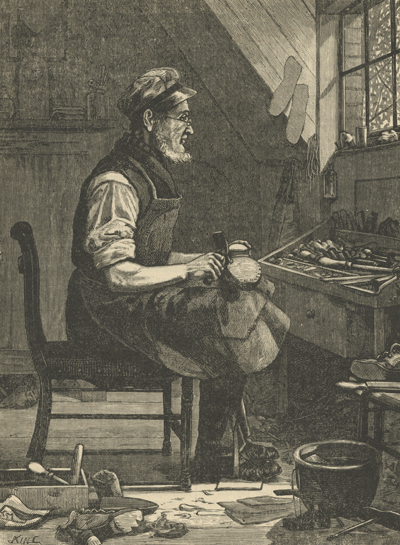
In a small village, a cordwainer would have been a very useful member of the community. While they were trained to work in fine leather they were also able to produce work boots of the kind needed for a rural lifestyle.
Today, Cordwainer still exist and in the city of London, one of the oldest livery companies that exists is that of the Cordwainers, existing to to promote and support footwear education and the British footwear industry.
In 1801 it was probably not such a glamorous trade – but well respected, none-the-less.
It was only a few years since the French revolution in which the region had enthusiastically taken part. On 21 July 1789, after receiving news of the Storming of the Bastille in Paris, a crowd of people stormed the Strasbourg city hall, forcing the city administrators to flee and putting symbolically an end to the feudal system in Alsace. In 1792, Rouget de Lisle composed in Strasbourg the Revolutionary marching song “La Marseillaise”, which later became the anthem of France.
And who knows? Great great great grandfather Pierre may have been among the first to have sung that now-famous anthem.