

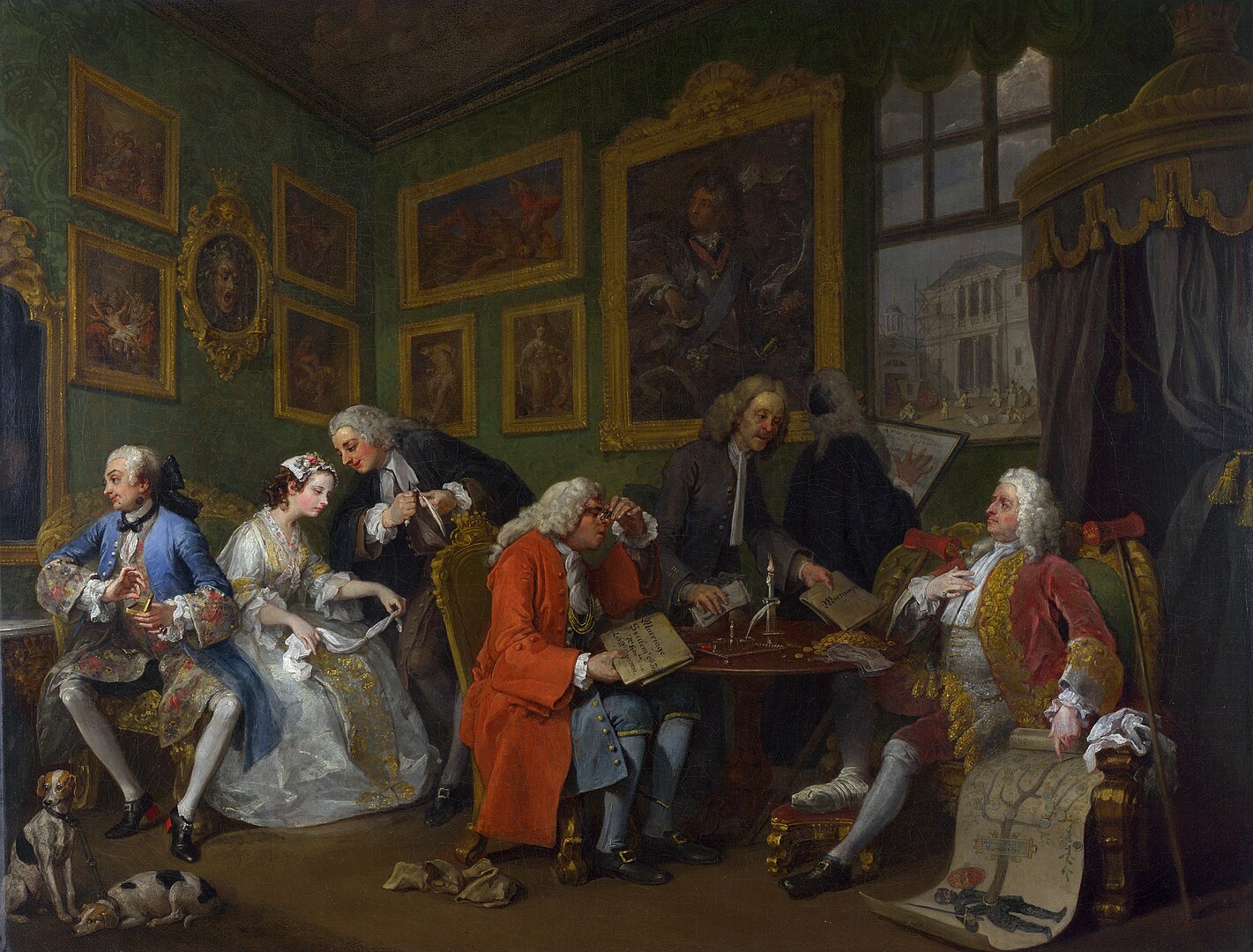
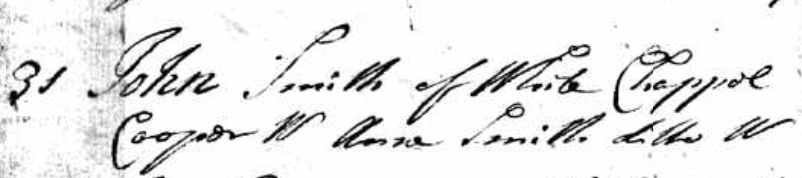
Today, if something is ‘clandestine’, it’s usually something dodgy. Think clandestine drugs lab, clandestine affair, clandestine espionage… so when we saw that sixth great grandfather John Smith’s marriage to Ann Smallbone in 1726 was clandestine, we didn’t know what to think.
But it turns out that clandestine marriages were not unusual and thousands of couples from all walks of life were legally and respectably married in clandestine ceremonies. The ceremonies had to be performed by an ordained clergyman, but unlike an official wedding, it didn’t have to take place in the couple’s home parish; they didn’t have to pay for banns to be read or for a marriage licence; and it could even be ‘backdated’ to disguise an unplanned pregnancy.
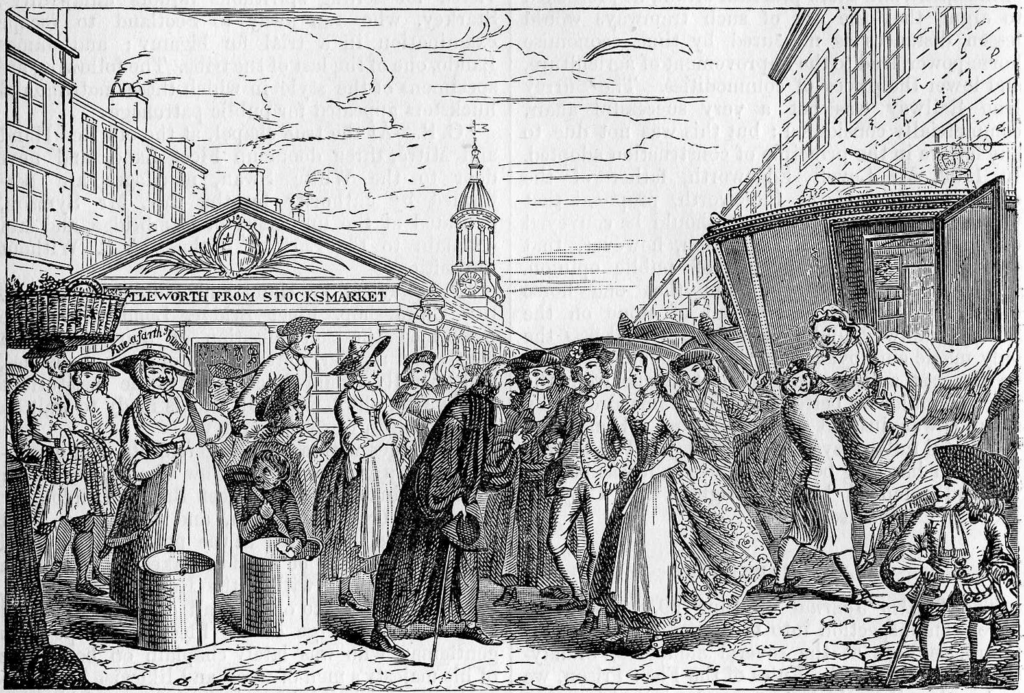
One of the most popular places for clandestine weddings was the chapel of the Fleet Prison. This was eventually banned, but the practice simply moved outside the prison walls. Local taverns and coffee houses took full advantage of the new business opportunity and turned themselves into extremely profitable ‘marriage houses’. In fact, half the marriages in London were clandestine, and took place in the area around the prison. There was fierce competition amongst around 80 disgraced clergymen at a loose end and living in the area. Clandestine marriages were commonly known, therefore, as ‘Fleet marriages’.
John and Ann were in Whitechapel – almost certainly temporarily as their lives seemed to be centred around rural Hampshire. According to the Clandestine Marriage and Baptism Register, the marriage was carried out by officiating Ministers: Starke, Gaynam, and ‘others not named’.
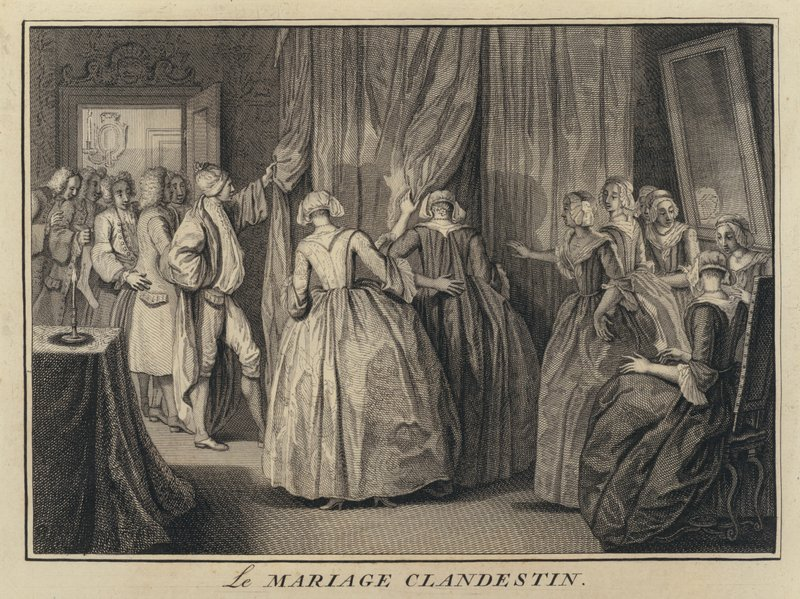
Wikipedia says It is often asserted that under English law of this period a marriage could be recognized in court if each spouse could provide evidence they had simply expressed (to each other) an unconditional consent to their marriage. With few local exceptions, earlier Christian marriages across Europe were by mutual consent, declaration of intention to marry and upon the subsequent physical union of the parties. By the 18th century, the earlier form of weddings (“common-law marriages” in modern terms) were the exception. Nearly all wedding ceremonies in England, including the “irregular” and “clandestine” ones, were performed by ordained clergy.
John Gaynam was a notorious clergyman who performed clandestine marriages in the Fleet area of London from around 1709 to 1740. A contemporary writer, John Pennant, in his book ‘Some Account of London’, describes Rev Gaynam and his colleagues in less than flattering terms.
“In walking along the street, in my youth, on the side next to the prison, I have often been tempted by the question, _Sir, will you be pleased to walk in and be married?_ Along this most lawless space was hung up the frequent sign of a male and female hand conjoined, with, _Marriages performed within_, written beneath. A dirty fellow invited you in. The parson was seen walking before his shop; a squalid profligate figure, clad in a tattered plaid night gown, with a fiery face, and ready to couple you for a dram of gin, or roll of tobacco.”
Pennant lists Gaynam among the clergy and describes a bigamy trial in which Gaynam was the cleric involved. One witness describes him as ‘the Bishop from Hell’, and as a ‘lusty, jolly man’.
The practice was soon to come to an end: The Hardwicke Act of 1753 made public marriages within an Anglican church the only legal form of marriage for most people in England. After that, couples avoided the act by traveling to Scotland, where they married in border villages like Gretna Green.