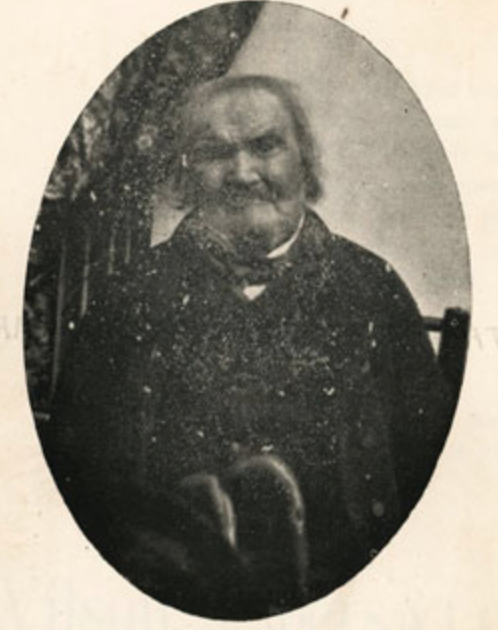

Four times great grandfather Thomas Watson was a drystone waller in rural east Cumberland, and a mason. But he was also a poet, whose work was published by and for his friends after his death.
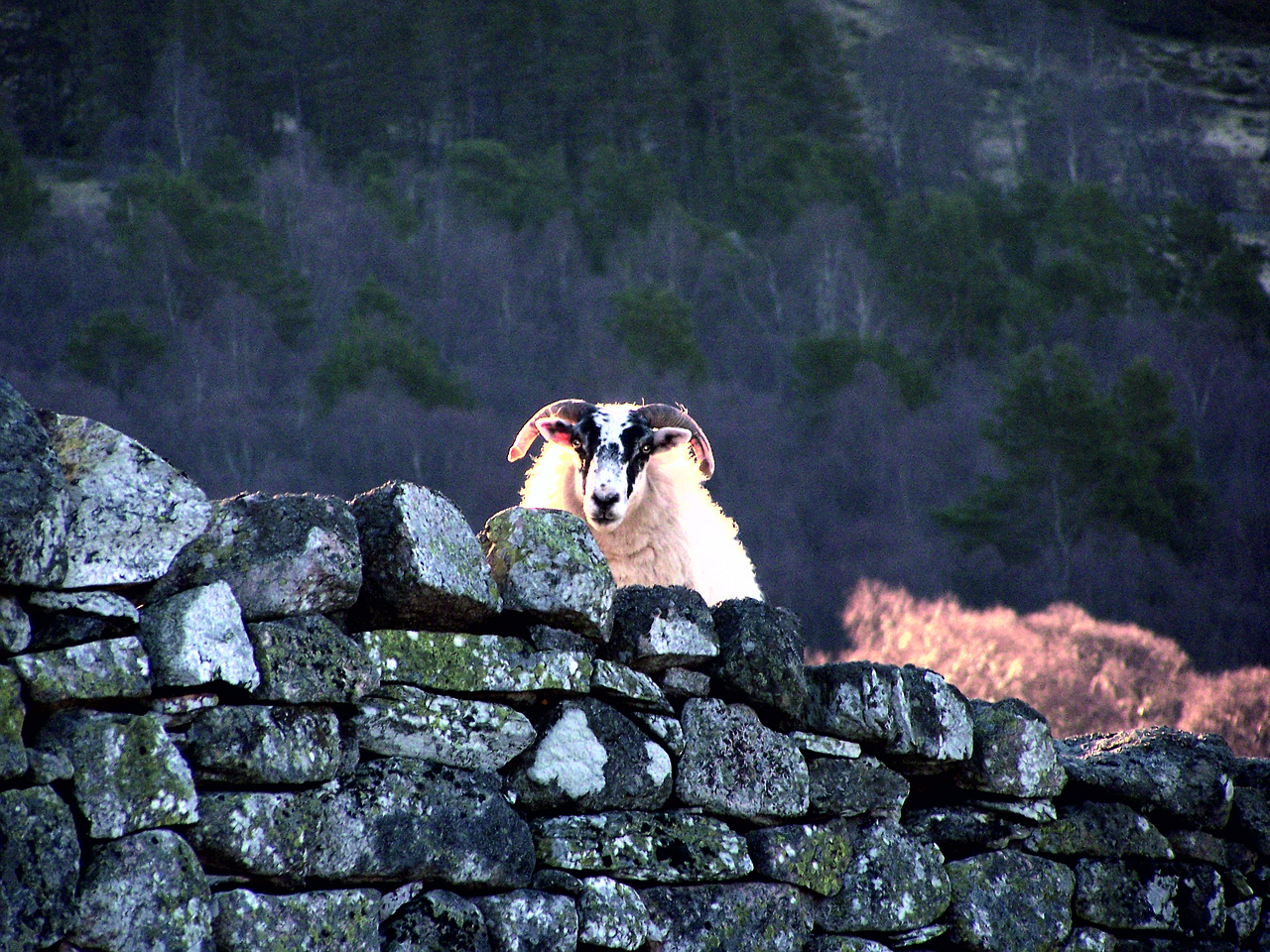
Across the British Isles, miles of moss-covered dry stone walls snake their way through the open land. They are walls constructed without using mortar, but are a jigsaw of stones and boulders, which hug the contours of the land, standing steady as though rooted to the bedrock below.
The website Odyssey Traveller contains a lyrical description of them:
Many of these walls were built during the Bronze Age more than 3,500 years ago. They survive as the last evidence of our forefathers’ gradual transition from hunter gatherers to settled farmers. The evolution of stone walls since, most notably around medieval villages in northern England, continues this arc of human development. They document the island’s shift from feudalism to capitalism, and the pains and rewards that followed. That these walls still stand with no mortar, bound only by gravity across steep hills and valleys, is a testament to those who made them, and an open invitation to find out more.
Odyssey Traveller
Creating a dry stone wall is a genuine art – it is far more than a random collection of pebbles in a pile. If built well, a dry stone wall will last centuries. Almost certainly, some of the walls built by Thomas Watson still exist today.

But there was more to Thomas Watson than that – for he was also a poet. Academic Jane Platt from the University of Lancaster describes him as an ‘artisan poet’, self taught, and reflecting the huge changes in British society during the nineteenth century.
Thomas Watson lived and died in the village of his birth, an active participant in the local economy. Unable even to write his name at twenty-four, he was inspired to produce verse orally through his association with Wesleyan Methodism, a friend committing his poems to paper just before his death.
Jane Platt
Thomas lived – and died – in the village of Renwick, also known as Ravenwick, in what was then East Cumberland. He was married in 1795 to Grace, and the pair had nine children.
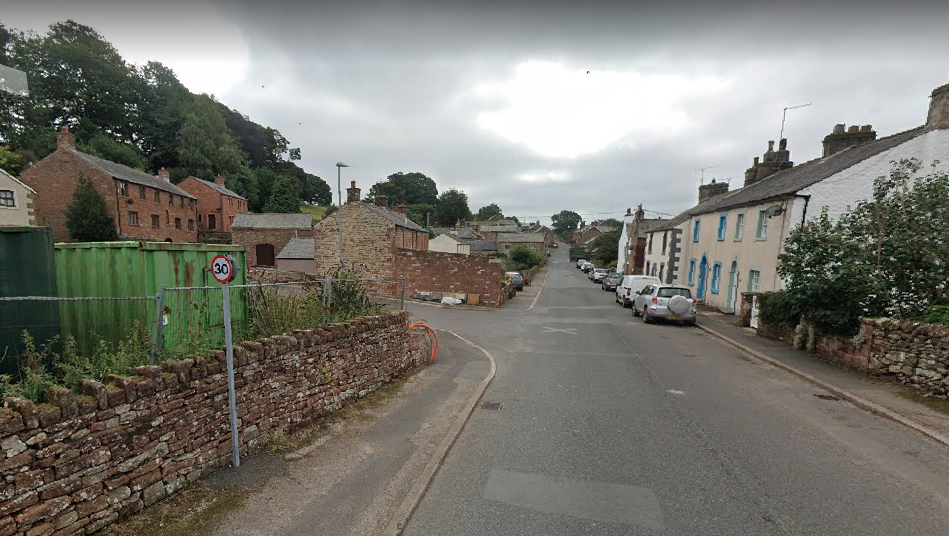
Jane Platt says Thomas’s poetry ‘uses his own stone-walling vocabulary to explore his view of East Cumberland and Cumbrians, noting that though Watson’s poetry may be used as an index of social attitudes at a time of social transition, Watson was not merely a passive observer. As a poet seeking to mould his experience within accepted verse forms for the benefit of himself and his audience, Watson was an active agent attempting to mediate between his local culture and one brought about by nineteenth-century change.’.
His poems were published in 1860 in a small volume called “The Patriarch’s Aeolian Harp’, by Isaac Robinson. In his preface, Robinson says, “to the fastidious reader, they may appear full of unpardonable inaccuracies – but what can be expected of a man who could write his own name until he arrived at manhood’. But he decided not to edit the poems, for fear of destroying their originality. He says they contain quaint expressions from a rural life of decades earlier, with rhymes that only work with a local accent that was fast disappearing.
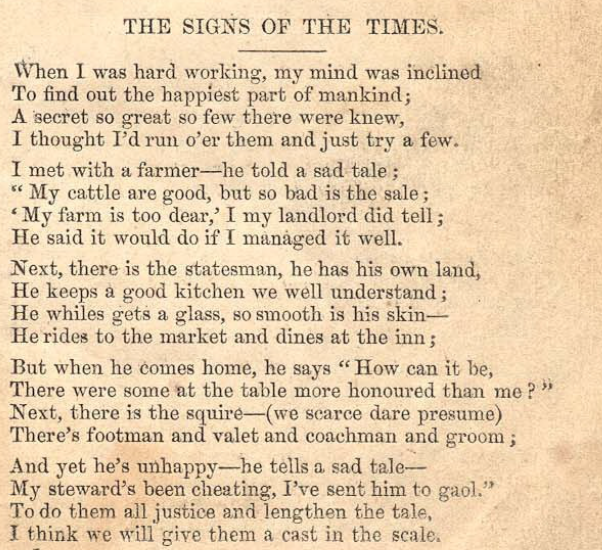
Here is one of the poems, as it appeared in the book:
Thomas died on 20 April 1860. He wasn’t rich – his will says he left less than £100 – but his poems live on, albeit in a quiet back road of the literary world.