

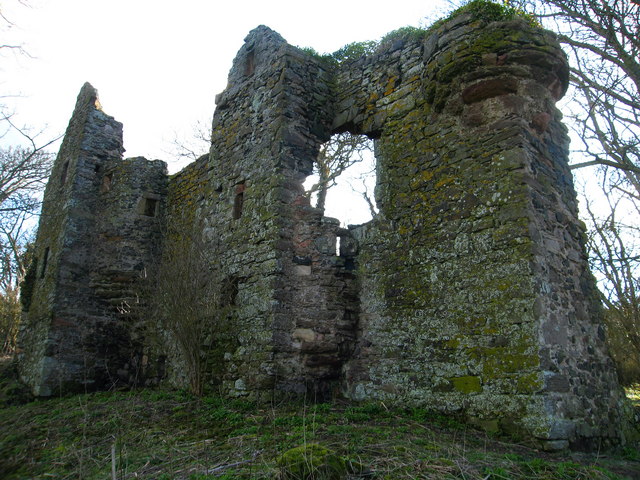
Sir Adam Otterburn, 15th Great Grandfather
Thanks to the Dictionary of National Biography, we know quite a lot about Sir Adam. He was an important lawyer and diplomat serving the Scottish Court, regularly negotiating with the English and the French. He is first recorded in 1518, when he was 27 years old as one of the receivers of the king’s mother, Margaret Tudor’s ‘jointure rents’ (Rentcharge is a legal device which permitted an annual payment to be continually levied on a freehold property. It has been in existence since the 1290 Statute of Quia Emptores and was originally payable to the lord of the manor in perpetuity). Within three years he was a member of the Royal Council and in August 1524 Margaret Tudor sent him to England with the Earl of Cassilis and Scot of Balwearie to negotiate peace, and a possible marriage for Scottish King James V with Princess Mary Tudor (later to be Queen Mary I of England). By 1525 he was the King’s Advocate and Recorder of Edinburgh.In 1528 he was again involved in negotiations for a marriage between James V and Mary Tudor.
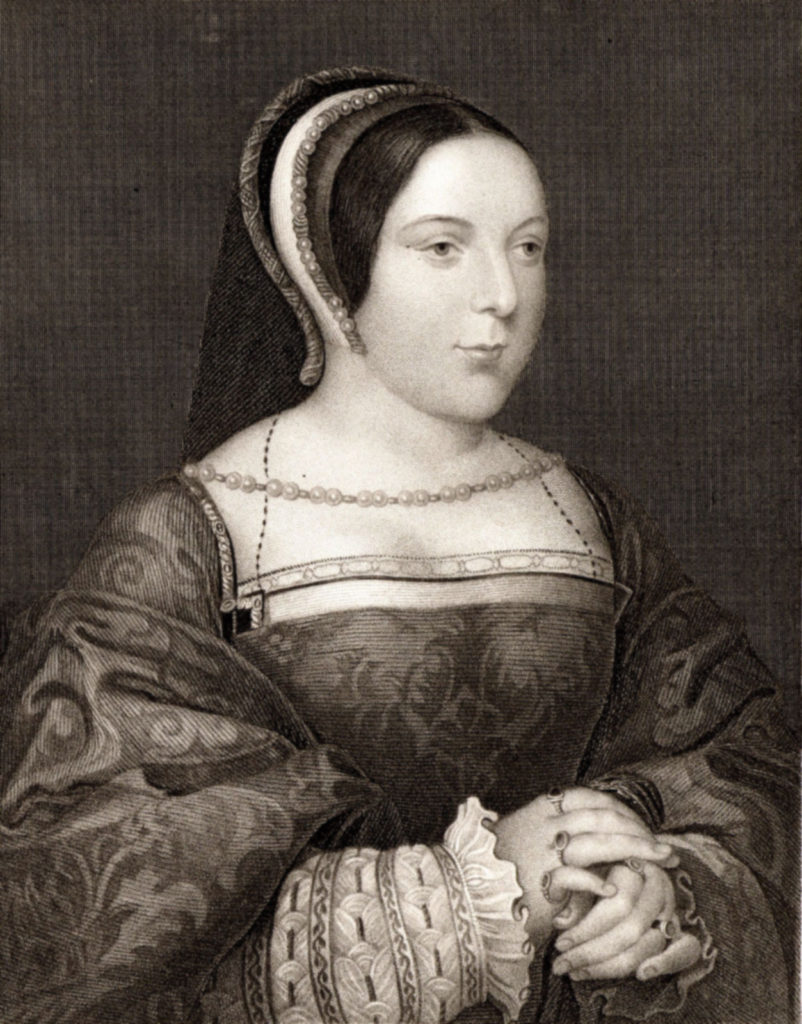
When James V assumed the throne as an adult ruler and rejected the Douglas family and their associates, Otterburn drew up charges of treason against them on 13 July 1529. The Douglases were one of Scotland’s most powerful families, and certainly the most prominent family in lowland Scotland. Archibald Douglas, Earl of Angus had been James V’s guardian while he was a boy, after marrying his widowed mother, Margaret Tudor.
On 8 November 1529 he was one of the Scottish commissioners who met English diplomats at Berwick on Tweed. This meeting discussed the possible restoration of the Earl of Angus, an issue which Henry VIII could use as leverage to decide James’s choice of future bride. A five-year truce was concluded and the Douglases were to go into English exile.
While in England he was knighted by James V (in his absence) as Sir Adam Otterburn of Redhall on 16 February 1534. Adam Otterburn signed a border peace treaty in London on 11 May 1534. After the English Reformation, in 1536, Henry VIII requested a meeting with James V, and Otterburn was sent to London again to discuss Henry’s motives and the possible agenda. He was in London during the arrest and conviction of Ann Boleyn.
In 1538, James V went to France to find a wife and while he was gone the Douglas family got in touch with Sir Adam – and as a result Sir Adam was charged with treason. In August 1538 he was imprisoned in Dumbarton Castle and the following year deprived of office and fined £1000 for communicating with the forfeited Earl of Angus. He remained in jail for a year and was eventually released after the payment of a significant fine.
He was again employed as a diplomat following the outbreak of war with England, with the English pushing for a marriage between the Scottish Queen Mary and the heir to the English throne, Edward VI. Sir Adam was against the match, famously saying “Our people do not like of it. And though the governor and some of the nobility have consented to it, yet I know that few or none of them do like of it; and our common people do utterly mislike of it. I pray you give me leave to ask you a question: if your lad was a lass, and our lass were a lad, would you then be so earnest in this matter? … And lykewise I assure you that our nation will never agree to have an Englishman king of Scotland. And though the whole nobility of the realm would consent, yet our common people, and the stones in the street would rise and rebel against it”.
In his letters in 1546 and 1547 Otterburn mentions that he was “aged and sickly”, but Otterburn died after an assault in Edinburgh by a servant of Regent Arran on 3 July 1548, “sore hurt on the head and his servant slain at his heels.” Patrick Mure, laird of Annestoun near Lanark and his son were charged with treason for his murder.