

31st Great Grandfather Robert de Vaux Treyermayne
Robert I de Vaux of Pentney was a prominent 11th century noble who took part in William of Normandy’s invasion of England in 1066.
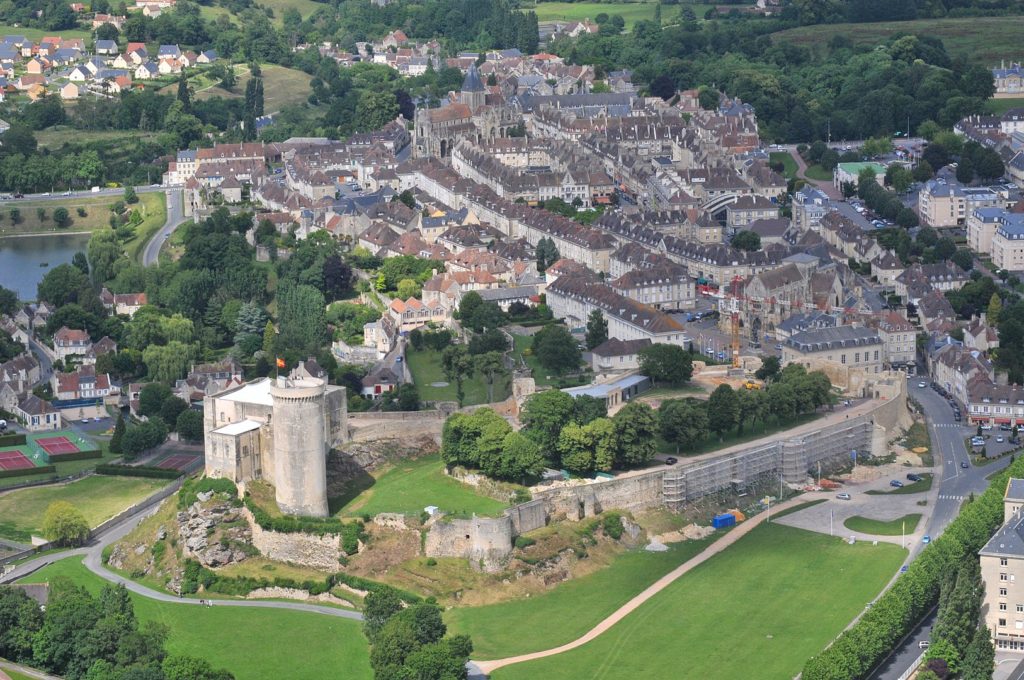
He was born at Vallibus Castle in 1030. The Norman Castle of Vaux or De Vallibus is mentioned by Orderic Vitalis, an English chronicler and Benedictine monk who wrote one of the great contemporary chronicles of 11th- and 12th-century Normandy and Anglo-Norman England: and then Terra di Vallibus continued in the possession of the family to which it gave their name until the time of King John. Today, it’s known as Falaise in the Calvados region of Normandy. There is still a castle there, but it has been extensively rebuilt since Robert’s time.
Together with his brother Aitard, Robert was one of the nobles who joined William of Normandy and crossed the channel, landing near the Pevensey in Sussex (a favourite landing for invaders – Julius Caesar is said to have landed near here too).
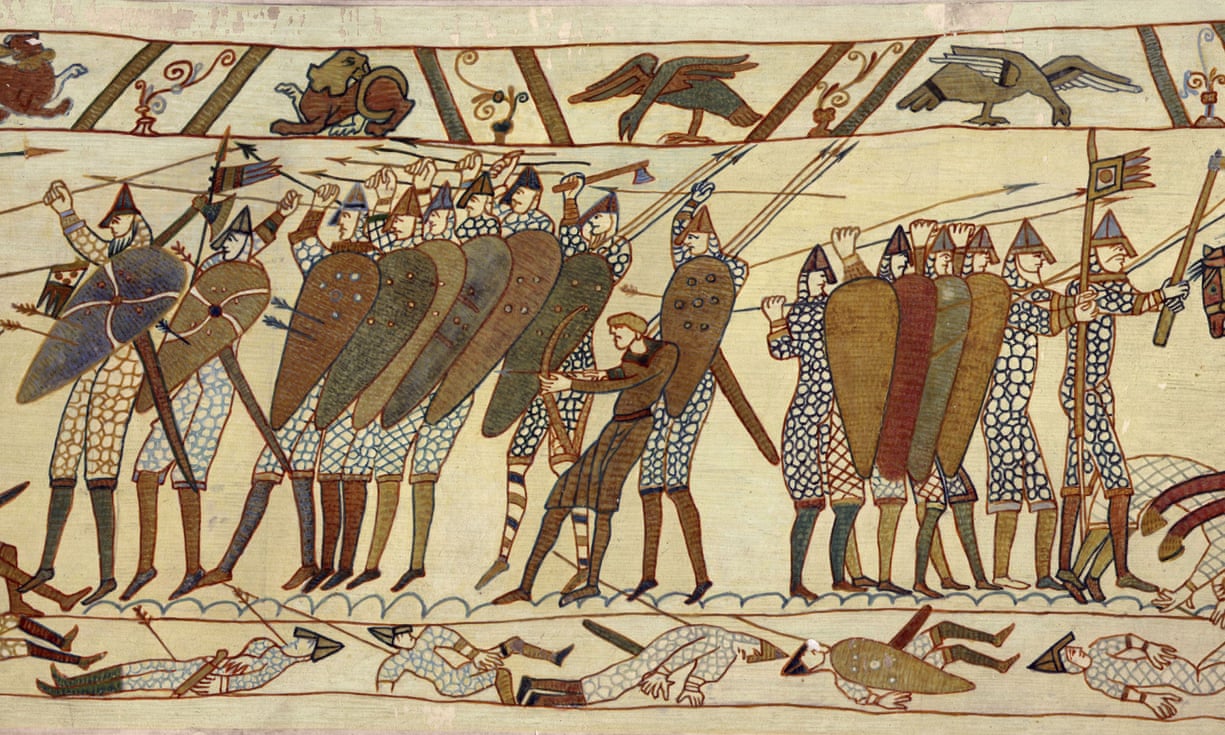
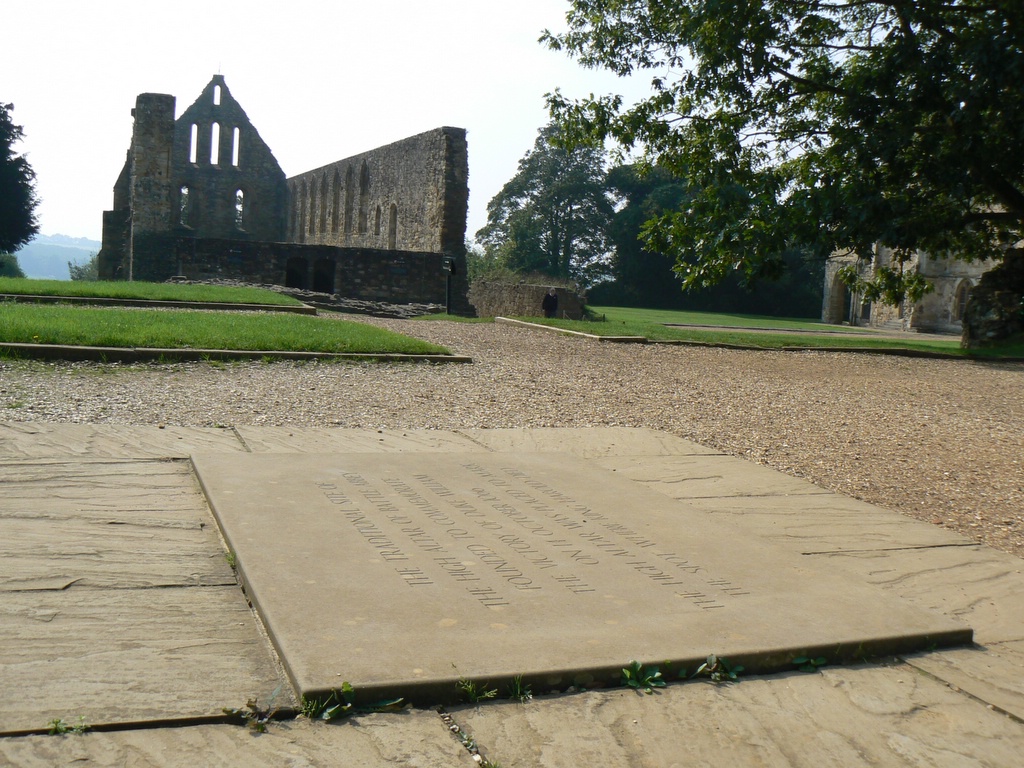
Prior to the invasion, William was a contender for the English throne then held by Edward the Confessor, his first cousin once removed, who was childless. The other claimant was Harold Godwinson, who had been named successor by Edward on his deathbed. Arguing that Edward had previously promised the throne to him and that Harold had sworn to support his claim, William built a large fleet and invaded England in September 1066. Harold was defeated at the Battle of Hastings in October, 1066 (not actually at Hastings, but 11km northwest near the modern village of Battle).
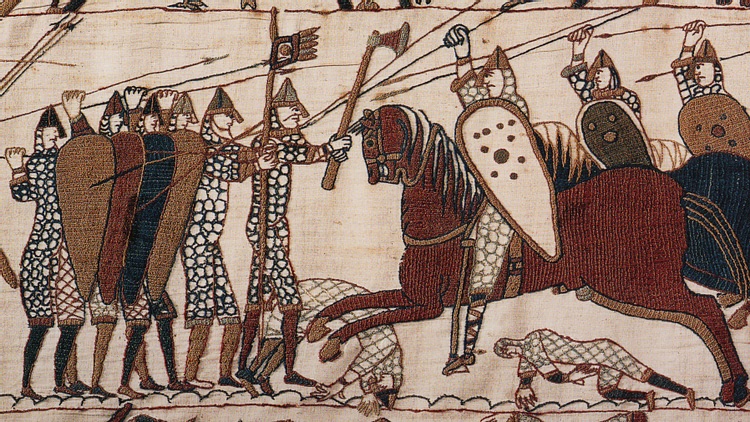
The battle lasted from about 9 am to dusk. Early efforts of the invaders to break the English battle lines had little effect; therefore, the Normans adopted the tactic of pretending to flee in panic and then turning on their pursuers. Harold’s death, probably near the end of the battle, led to the retreat and defeat of most of his army. After further marching and some skirmishes, William was crowned as king on Christmas Day 1066.
Of the named Normans who fought at Hastings, one in seven is stated to have died, but these were all noblemen, and it is probable that the death rate among the common soldiers was higher. Although Orderic Vitalis’s figures are highly exaggerated, his ratio of one in four casualties may be accurate. It’s thought that perhaps 2,000 Normans and 4,000 Englishmen were killed at Hastings – but Robert was not one of the casualties.
Although William’s main rivals were gone, he still faced rebellions over the following years and was not secure on his throne until after 1072. The lands of the resisting English lords were confiscated. To control his new kingdom, William granted lands to his followers, such as Robert, and built castles commanding military strongpoints throughout the land. He created a manuscript record of the “Great Survey” of much of England and parts of Wales, the Domesday Book, which was completed by 1086.
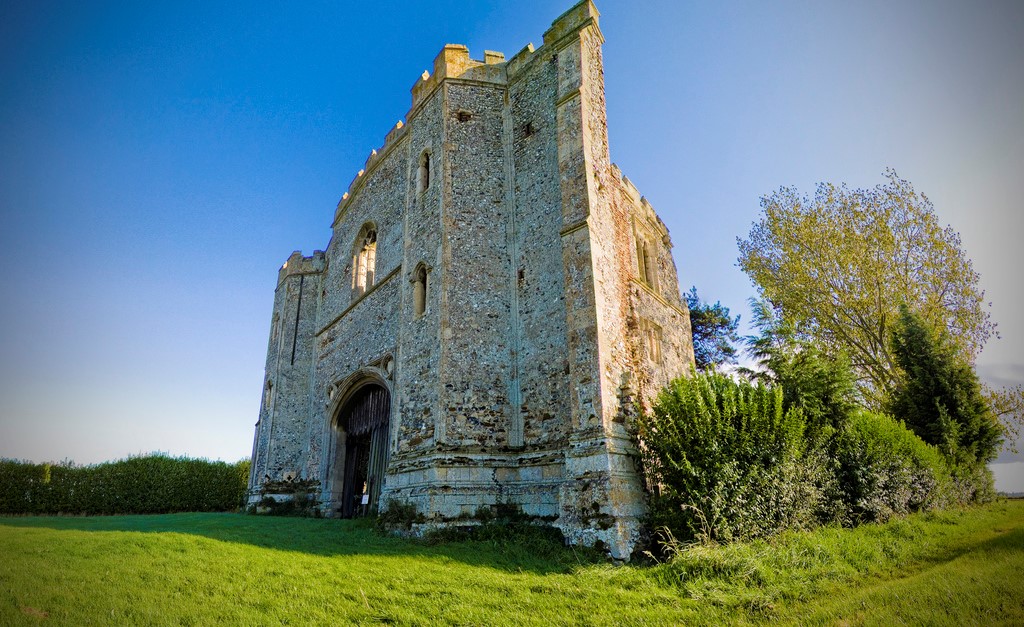
According to the Domesday Survey, Robert de Vallibus became a ‘mesne-Lord’ (a lord in the feudal system who had vassals who held land from him, but who was himself the vassal of a higher lord) in Norfolk, where he held Pentney, near Kings Lynn in western Norfolk, under Roger le Bigod, and founded a Priory of Black canons there which he dedicated to St. Mary Magdalene, “for the souls of Agnes his wife and their children.”. Pentney Priory was finally dissolved in 1537 as a result of the dissolution of the monasteries under Henry VIII, and the lands are now part of a farm, with only the priory gatehouse remaining.
Robert died in 1086. His son, also named Robert, made a grant to the Priory of Castleace in Norfolk, of a mill and meadows in Pentney. In this grant he mentions his brothers, Robert Pingui, Gilbert and Hubert.