

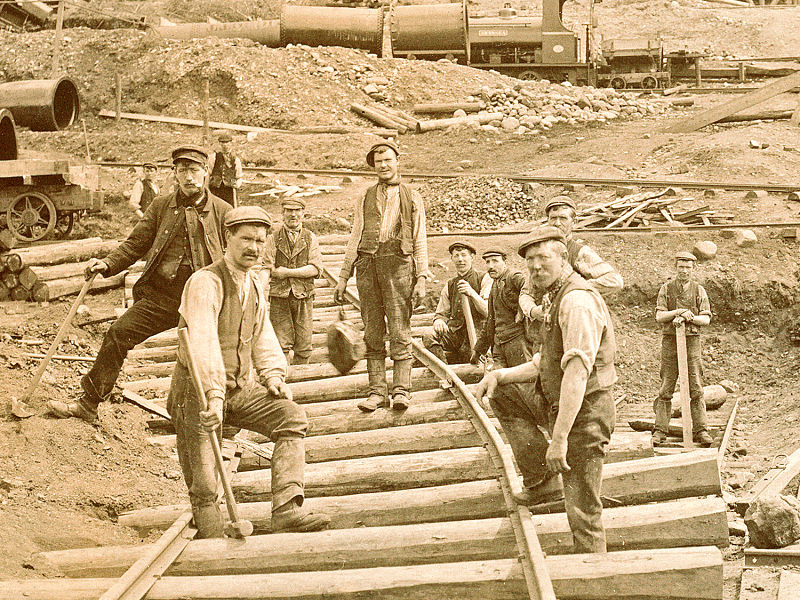
Edward Fitzpatrick, Annette’s third great grandfather.
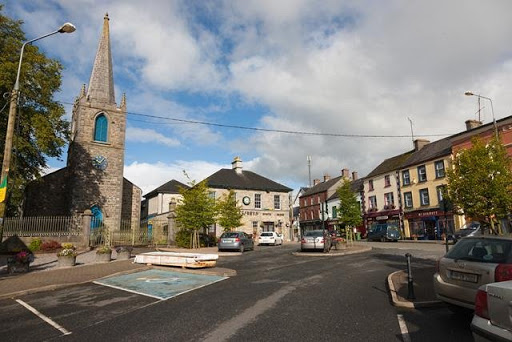
Edward Fitzpatrick was born in around 1826 in Ireland. His actual place of birth has been impossible to find for sure, but the most likely place is Oldcastle, Co Meath in Ireland.
There seems to be no record of his journey to England, but his next appearance is at the Army Barracks in Winchester in the 1841 census.

He was just 15 years old at this stage. From 1796 on, the barracks housed 3,000 troops during the Napoleonic Wars and numerous regiments temporarily between 1815 and 1856, including the 43rd Light Infantry and the 60th Rifles (King’s Royal Rifle Corps).
It is possible that he fought at the Battle of Waterloo – there were around a dozen Fitzpatricks listed, though none of them have Edward as a name. There is a Private Patt Fitzpatrick, which could be a nickname.
The next record of Edward is 20 years later, by which time he is married, to Mary Ann, who was also born in Ireland. His occupation is listed as Navvy – invalided.

He was obviously not a well man – he died later in the same year at the age of 36..
Navvy, a shorter form of navigator or navigational engineer, is particularly applied to describe the manual labourers working on major civil engineering projects and occasionally to refer to mechanical shovels and earth moving machinery. In the nineteenth century, most of them were English but about a third of them were Irish. They were the excavators of the commercial canal system and builders of the railway infrastructure laid out in Britain two centuries ago.
At the peak of railway building in 1845, some 200,000 navvies were employed, many of them Irish. Some 55 years later, almost 20,000 route miles of rail had been laid. During the 19th and 20th centuries, there was hardly a major construction project in Britain that did not have a strong Irish input, and the hazards are well documented. “One or two deaths” per mile of railway was considered unremarkable. It was a tough, hard lifestyle which took its toll.
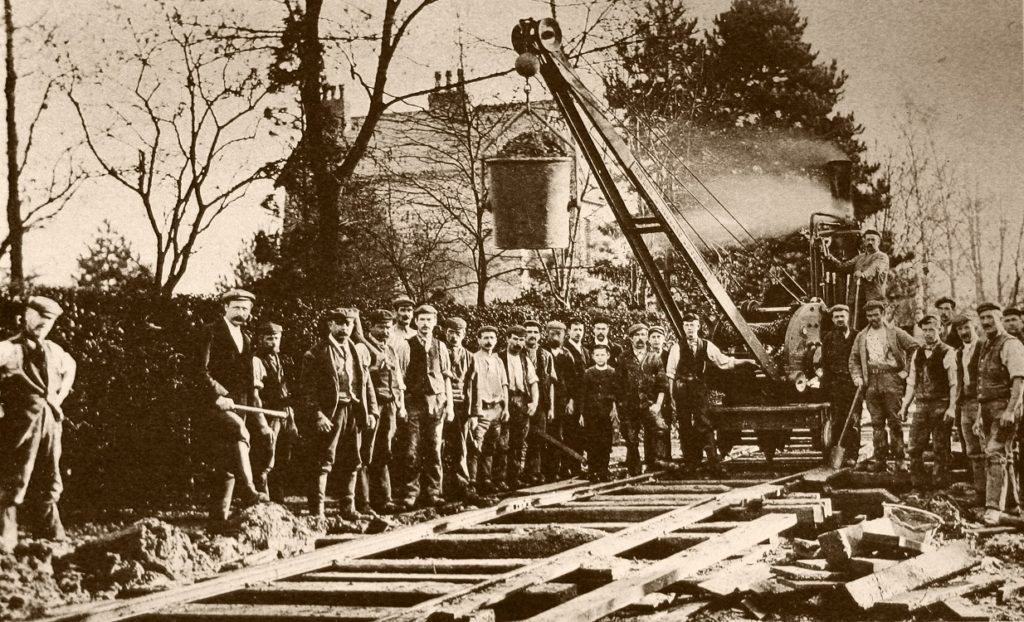
In return for a very high production target, the Navvies could expect a moderate pay packet, which would normally exceed the wages received by their compatriots in the factories or in other lines of employment. The conditions in which the Navvies lived and worked were often basic and normally dangerous. Many Navvies ended up living in ‘Navvy Cottages’, or wooden shacks close to the stretch of railway line they were building, moving as the work progressed on to other areas of the country.
Unsafe working environments were common. Explosives like dynamite were frequently used with barely a nod to health and safety considerations. In blasting out the Woodhead Tunnels – the longest railway tunnel in the world when it was finished, at 3 miles long – the Navvies used close to 150 tonnes of gunpowder to blow out troublesome spots of rock, and a great number were maimed or killed. Where a career ending injury befell a Navvy, it would not be compensated for, and the widow of a Navvy killed in the line of work could not expect any financial support from her husband’s employers. Indeed Mary Ann is listed in that 1861 census as a charwoman.
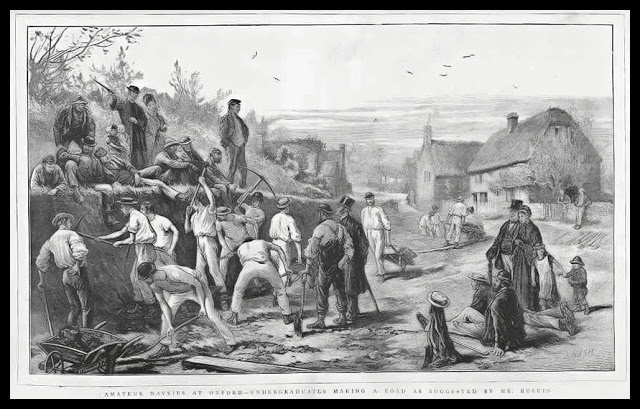
Many of those with Navvy ancestors still don’t realise they are related to these remarkable men. Designers may have mapped the routes and engineers built the stock that would travel them, but these Irishmen had a large hand in blasting the routes for the tunnels, building the embankments and viaducts, and making the designs reality using nothing more than brute strength and explosives. These Irishmen were a key part in the building of modern Britain.