

Annette’s great-great grandfather William Banton
When you think of someone being a miner, particularly in the Derbyshire/Leicestershire border area, you might automatically think of coal. But for at least one of Annette’s mining ancestors, the substance they mined was not coal but clay.

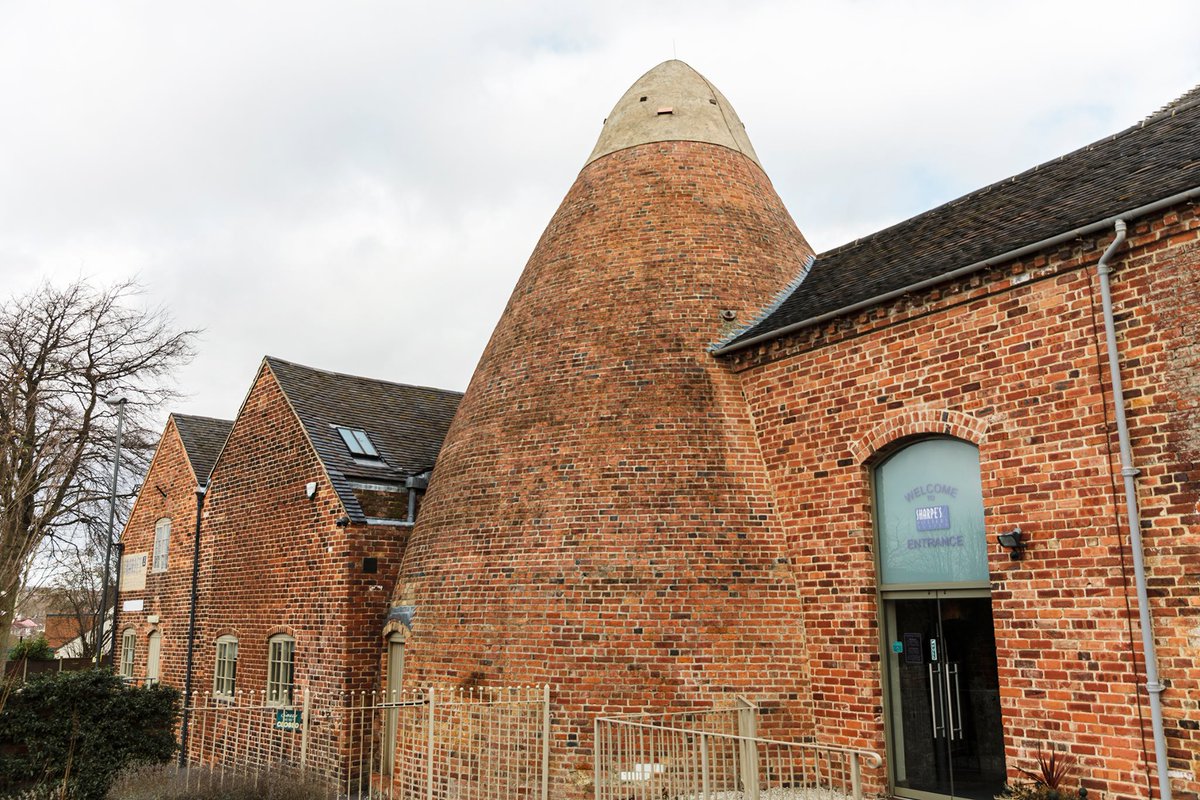
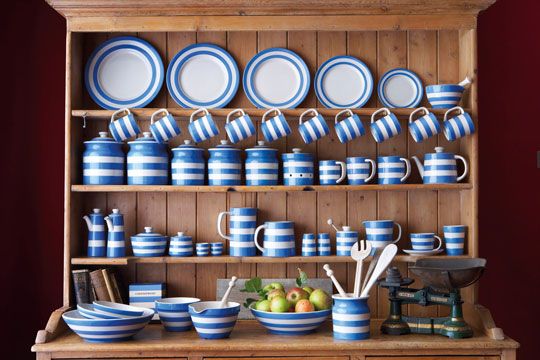
William Banton was born in 1841 in Ticknall in Derbyshire but by the time he was in his forties, he had moved to Church Gresley, just 10km or so up the road. Church Gresley has a history stretching back to the Domesday Book. The village became famous in the 19th century for the Mason pottery which was founded at Church Gresley in 1800. It was renamed Mason Cash in 1901. Mason Cash became a well-known English pottery, producing many kinds of ceramic mixing and baking ware. TG (Thomas Goodwin) Green & Co Ltd was founded in 1864 and went on to produce the world-famous Cornishware. Both companies became part of The Tabletop Group in 2004 but TG Green went into administration in 2007.
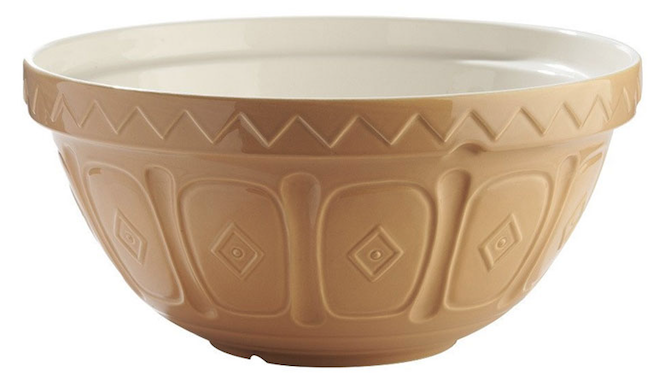
Mason pottery is also famous the world over (even here in Australia) for its mixing bowls which still sell for premium prices. The area was also famous for its brickworks, and for the production of sewers and sanitary ware, which requires the highest quality salt-glazed pottery.
Clay is not a single mineral, but a number of minerals. Clays fall into six general categories: kaolin, ball clays, fire clays, bentonite, common clays and Fuller’s earth. Clays are common all over the world. Some regions produce large quantities of specific types of clay. The fire-clay strata in the coal measures in the Church Gresley/Swadlincote has a high alumina content – one of only six places in Britain with clay deposits of such quality.
The earliest written reference to the town’s mineral deposits is found in a document dated 1294. This recorded the granting of mineral extraction rights. However, throughout the Middle Ages, although some coalmining and clay extraction took place, the area remained essentially rural. The real growth of Swadlincote took place from the late 18th century with the development of coal and clay extraction on a large scale. This was a result of the demand for coal and clay during the Industrial Revolution.
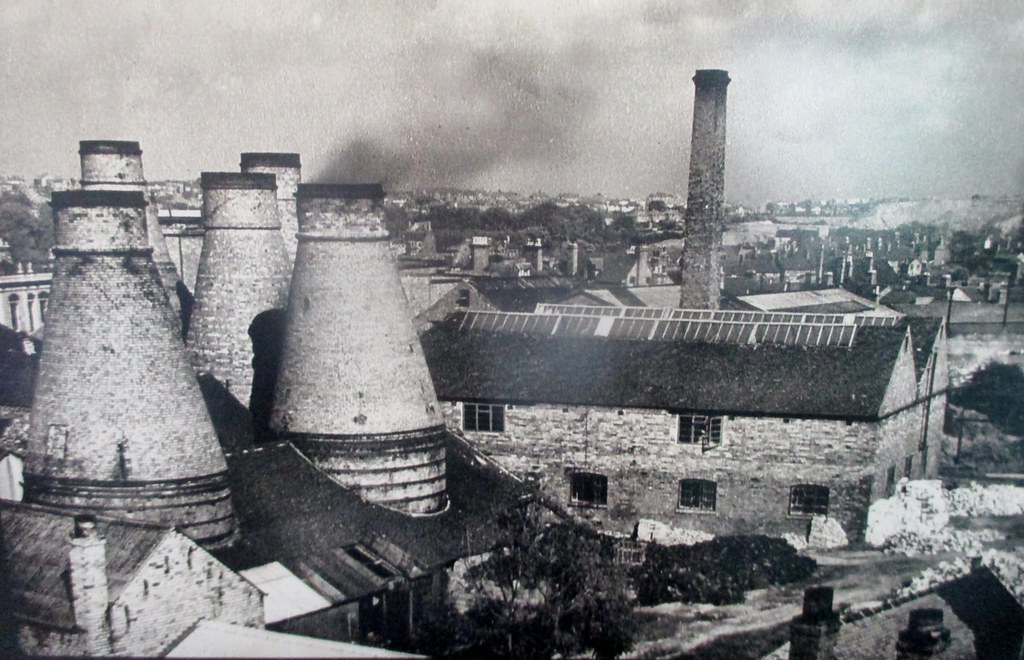
At various times, from the beginning of the 19th century until the demise of the coal industry in the 1980s, there have been around 60 brick and pipe yards – often with adjacent clay pits – and 15 large collieries in the Swadlincote area. The skyline was full of colliery head stocks, bottle kilns and giant chimneys belching smoke. Amongst all the industry was an elaborate system of railways – mostly standard gauge but with narrow gauge tracks to serve the pits and clay holes. For a time there was even a 3’6” gauge tramway which wound its way through the industrial landscape.
There is very little recorded about the life of a clay miner, which is surprising when you consider how vital the raw material was to so many local firms in the Swadlincote/Church Gresley area. The extraction of clay and shale for brick and tile making remained a largely surface operation, expanding in scale with increased mechanisation. Hand, horse- drawn and locomotive operated, temporary tramway systems were a feature of all large-scale clay working from the latter part of the 19th century.
The National Association of Mining History Organisations writes about the work of clay miners;
In the extraction of specialist clays, ball clay and china clay, there were a number of working methods not used elsewhere. Ball clay extraction, once it had proceeded beyond shallow open surface trenching, required distinctive techniques for deeper working. The first stage was to sink pits on the outcrop of the clay seams. These, known as ‘square pits’, were timber lined and braced, the optimum size being 18 by 24ft (5.5 x 7.2m) – established by trial and error. The pits were dug to a depth of 50ft (15m), with a series of hand pumping ‘lifts’ and ladders. About 12ft (3.6m) of solid ground was left unworked between adjacent pits and the waste from one pit was dumped in the abandoned pit. A wooden crane of a type unique to the ball clay industry called a ‘crab’, comprising a pivoting ‘gallows’ held in place by two legs called ‘tie backs’, would be erected alongside the square pit to hoist the clay and waste to the surface in an elm bucket.
By the 1870s shaft mining had been developed to reach the deeper ‘potters’ clays, whilst the lower value ‘stoneware clays’ continued to be worked in open and square pits where there was minimal overburden. Shafts were generally about 13ft by 6ft (3.9m x 1 .8m), fully timbered in particular fashion and divided into two compartments, one for hoisting by means of a crab and one for access and the pump lines. After sinking to the desired seam and creating a sump, two side drives were made in opposite directions along the strike for about 100ft (30m), supported by closely set, green, round larch timbers. The seam would then be worked in a ‘fan’ shape. The life of the shaft was rarely more than 2-3 years and, on completion, the timbers were often withdrawn for re-use; the worked out areas soon collapsed under pressure from the surrounding clay