
The Irwins, Tatters and Trathans
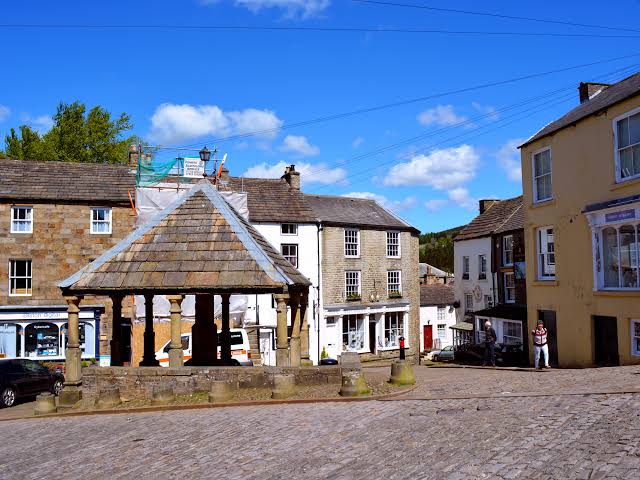
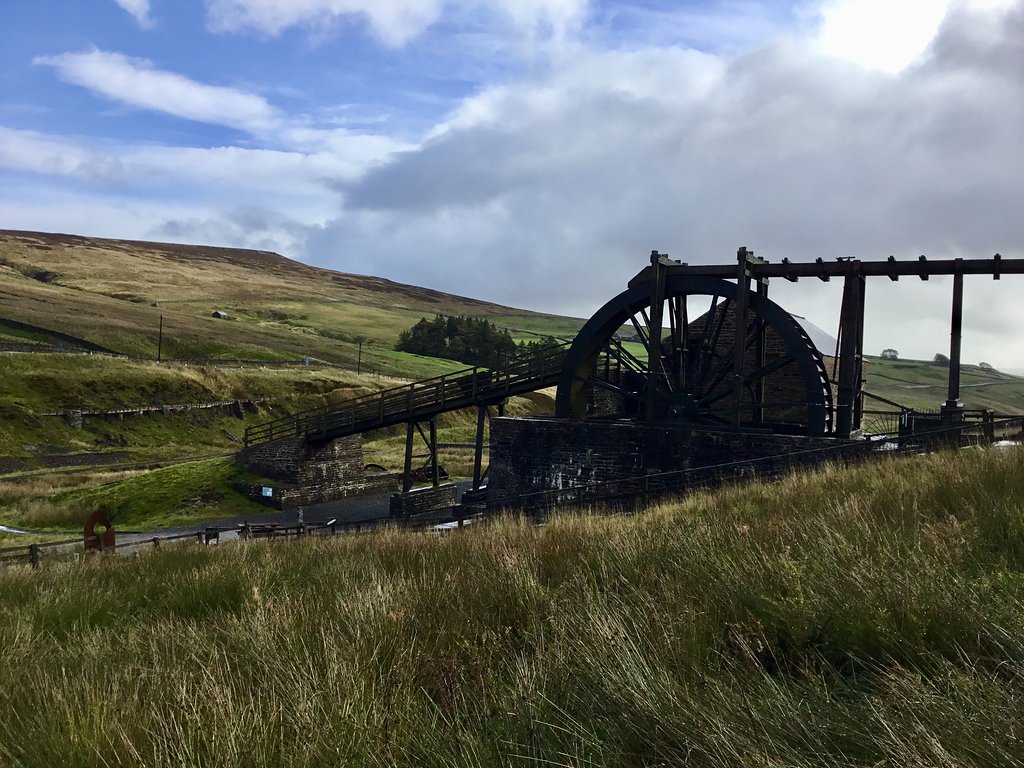
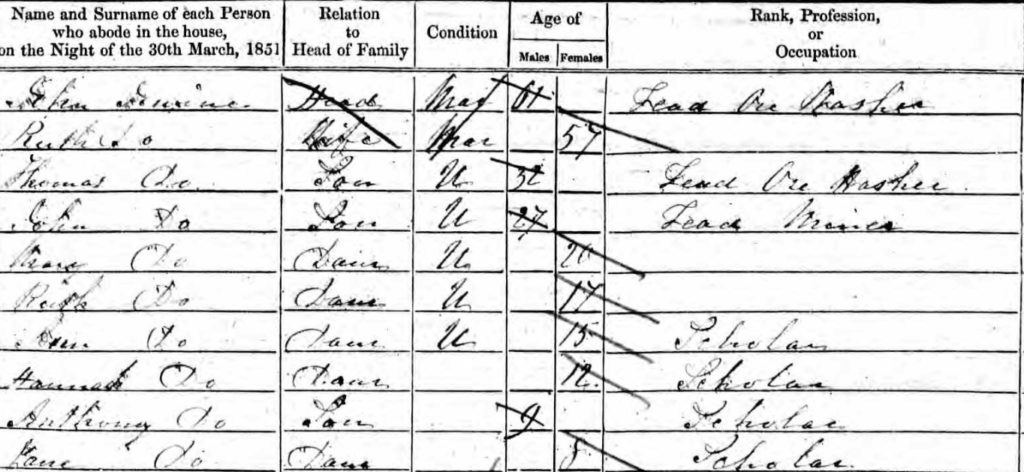
Three branches of our family tree lived in the area around Nenthead and Alston in what was then Cumberland (now Cumbria) and worked in the lead mines there. Today, this remote valley is covered by remains from the lead and zinc mining industry of the North Pennines, including mine entrances, watercourses, dressing-floors and buildings. This heritage is of national importance, and a number of mining sites and remains have been designated by English Heritage as scheduled ancient monuments. Alston is the highest market town in England with streets “Inconveniently steep and narrow”
The mining rights were, up to 1715, part of the Earl of Derwentwater’s estate. However the third earl was a prominent Jacobite and fought for Bonnie Prince Charlie in the 1715 rebellion. For his actions he was beheaded in 1716 and stripped of his titles and lands.
The mining rights then passed to the Commissioners of Greenwich hospital. The actual mining process was dominated by two companies, the London Lead Company and the Blackett family. The Governor and Company for Smelting down lead with sea coal and pit coal was set up in 1692 and after merging with the Ryton Company became known as the London Lead Company. In many ways they were forerunners of today’s walfare state. As a Quaker company they took great interest in the welfare of their workers through welfare schemes, education and social amenities, the Nenthead library being a fine example of this philanthropy. In 1745, the company began construction of a school, a library, a sanitary house, a surgeon’s house, a market hall with clock tower, a laundry and a ‘ready-money’ shop. They worked many of the mines, drove the Nentforce level and smelted ores here until they relinquished their leases in 1882. For all but the later part of that period lead and as a by-product silver were mined but towards the end zinc increasingly became important.
The Company was interested in encouraging the miners to supplement their incomes by growing food as an insurance against hard times. Every cottage that they built was provided with a garden adjoining. At an early date Horticultural Societies were formed at Nent Head, and Middleton. Later, similar societies were founded at Garrigill, Dufton and Hilton. Prizes were offered each year by the Company for the two best-cultivated gardens on each estate. At the annual shows everyone from manager down to the horse boys showed some fruit, flowers or vegetables. Demand for land in addition to the cottage gardens increased and under instructions from the Company the agents purchased small plots of ground from half an acre to three acres and let them out to the miners in allotments. Due to the remote location in times of food shortages grain would be purchased by the company and delivered to the villages to keep the price down.
British geologist, archaeologist, academic, and writer Arthur Raistrick described the company very positively:
‘They were far in advance of the age not only in provision of day schools for all the children of the district, but in their recognition of the value and necessity for recreations of divers types-bands, cricket clubs, libraries, lectures, gardens, allotments, etc. etc., and the inevitable provision of work times that would enable miners to enjoy all these recreational facilities. There is a very modern flavour about their ” welfare ” work. They were seriously concerned for the health of their workpeople and their families, and besides providing medical staff and workman’s fund, etc., realized that health must be based on good housing, good and adequate water supply, sanitation, and the provision of baths and wash houses.
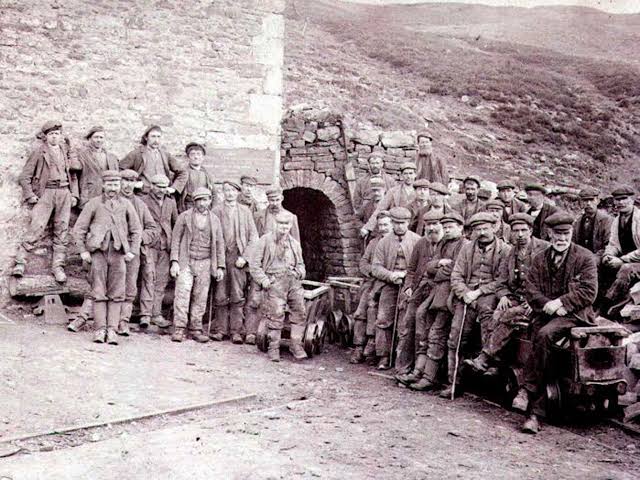
An 1830s account held in Cornell University Library in the United States describes the miners’ lives in a similarly positive manner:
They are excited to industry by the prospect
of independence, the successful adventures of
other miners acting as a powerful stimulus to the pursuit.”
This favourable testimony has been often confirmed
by the observation of intelligent strangers, who
have been alike surprised and gratified by the well-informed
minds and plain but courteous behaviour of the
miners. The unassuming manners and great hospitality
of all classes in this and the neighbouring dales are
such as to call forth a high degree of respect and
esteem for the moral worth and social feelings which
accompany and direct them.
The same account provides this map of the region:
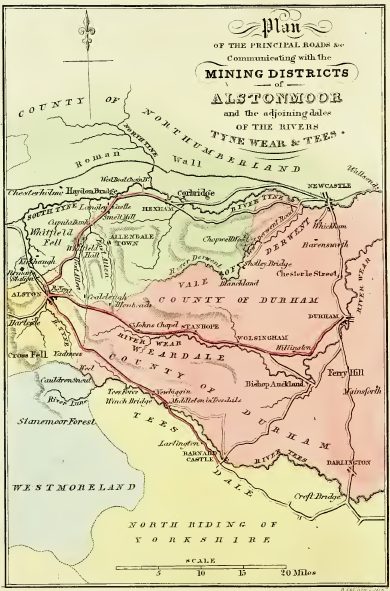
The lead mining complex is regarded as the most intact mining landscape within the North Pennines. The main importance of the site lies in the unusually high level of preservation not only of the obvious features such as the buildings and dams, but also the network of roadways built by the London Lead Company.
The area is no longer actively mined for precious metals although the mining history has been exploited for tourism purposes. There are few jobs in the immediate area, hence the fall in population from 6,858 in 1841 to around 1,200 today.